Belarus marked a dramatic shift from its recently crypto-friendly stance. On December 9 of this year, the country suddenly restricted access to numerous major cryptocurrency exchanges.
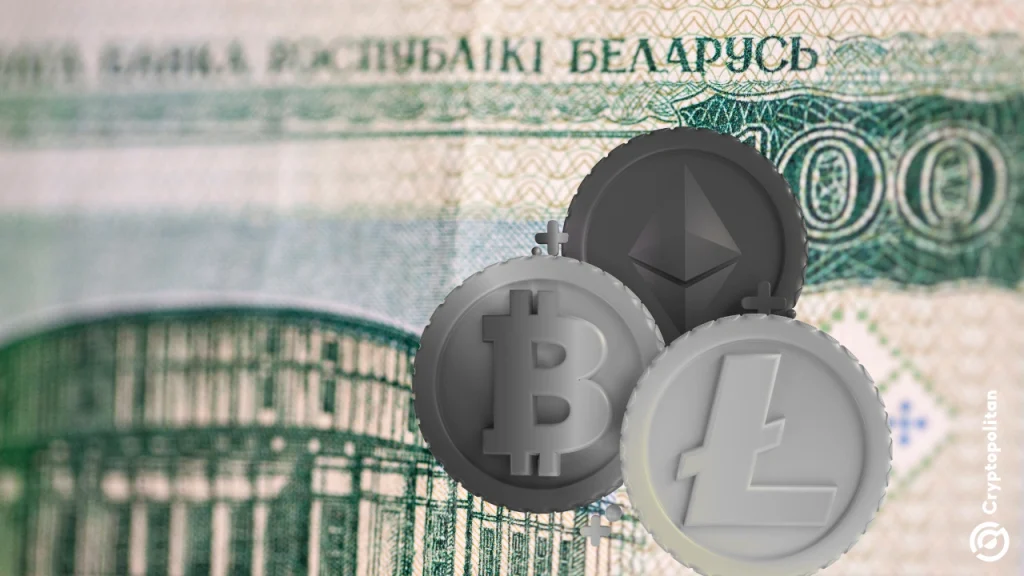
The move creates a complex regional policy landscape amid ongoing Western sanctions. It also signals that close ally Russia may be planning to ease its restrictive cryptocurrency regulations.
Following a notification from the Minsk City Executive Committee, the Belarusian Ministry of Information added Bybit, OKX, Bitget, BingX, Gate, as well as Weex to the national blocked access list on December 9 of the current year. Even though detailed violation information is only given to the owners of the platforms, the government cited inappropriate advertising under Article 51.1 of the Law on Mass Media.
The restriction affects some of the largest crypto trading platforms of the world. In spite of their popularity among Belarusian traders, remarkably absent from the restricted list are Binance and KuCoin. Platform owners can apply for access restoration after eliminating the violations that prompted the restrictions according to Article 51.2 of the Law on Mass Media.
Users of the state-owned internet provider, Beltelecom, first reported being unable to access trading platform of Bybit on December 9. Some traders have bypassed the restrictions using VPNs. Nonetheless, this could violate exchange terms of service and lead to account suspensions.
The exchange blocks stem from complex cryptocurrency regulatory system of Belarus centered around the HTP or High-Tech Park. All individual cryptocurrency transactions should happen by HTP resident companies under a September 2024 decree.
None of the blocked exchanges have HTP resident status. This means their use for local peer-to-peer trades was already outside legal boundaries. Legal experts suggested the restrictions may relate to compliance gaps or unauthorized P2P activity that bypassed the HTP requirements.
The HTP offers significant incentives to crypto businesses. Non-residents face tax rates of 20% to 25%. Companies operating within the special economic zone pay just 9% on crypto transaction profits this year. Creating Belarus an attractive destination for blockchain companies, these preferential conditions extend until 2049.