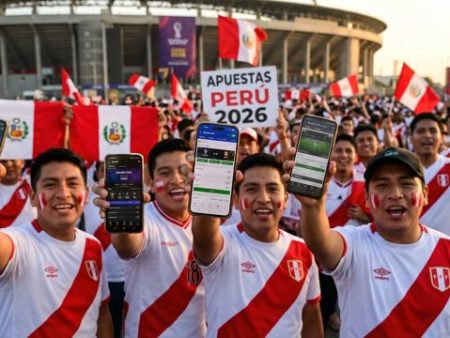
Industry leaders warn that the World Cup will expose every weakness in the digital fan journey. Fans are preparing to watch, travel, bet, and spend at an unprecedented scale.
When the 2026 FIFA World Cup starts across the United States, Canada, and Mexico, organizers will host the most expansive tournament ever. It will include more teams, fans, and cities than any previous World Cup. It will also be the most digital and commercially consequential.
A 48-team format, a three-nation hosting model, and a fully regulated North American betting landscape will collide with a fanbase that consumes sport in real time, on mobile, and across numerous digital touchpoints. The scale alone is arguably unprecedented. Fan behavior is too: they will watch, travel, bet, game, spend, and share at levels the industry has never had to support all at once.
This convergence is making a rare moment of clarity across the sports ecosystem. The message is that friction will decide the outcome of the World Cup, whether you talk to a global broadcaster, a payments provider, or an operator-side technologist.
DAZN‘s CEO, Shay Segev, captures the shift from the content side. His dream is to turn DAZN into the Spotify of sport. This is a single platform where fans can watch live matches. They can also browse highlights, check stats, and join communities. If they choose, they can place a bet, all without leaving the platform.
He says that DAZN’s vision is for every customer around the world to use it as their go-to platform. They want DAZN to be the destination for all things sport. Fragmentation is the enemy for Segev. Fans shouldn’t need six or seven applications to follow their team, talk to friends, buy tickets or place a wager.
He added that if you think about sport, you want to watch live content, you want to watch news, you want to get pictures, you want real-time stats, you want communities and social, everything in one destination.