Greece is preparing to take its toughest stance yet against illegal gambling. Officials describe this as a zero-tolerance approach. The move targets a black market that has grown too large to ignore.
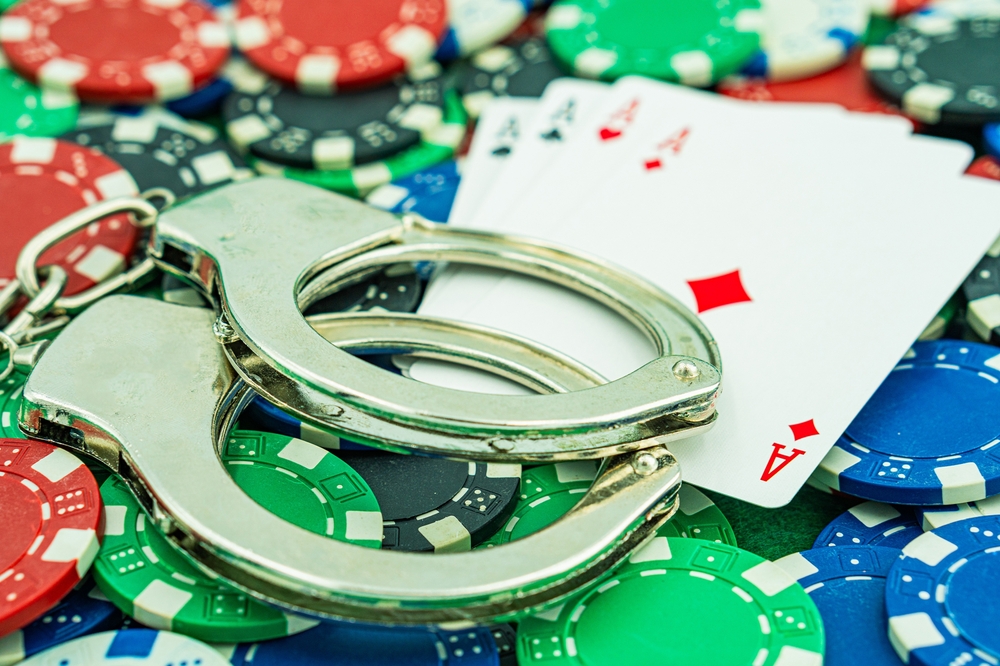
Athens has sent a clear message to parliament: the state will no longer accept unlicensed gambling as a manageable nuisance. Authorities have told lawmakers that they are considering every enforcement tool.” This includes prison sentences for organizers, as well as penalties for consumers who repeatedly gamble on illegal platforms.
Finance Minister Kyriakos Pierrakakis is driving the policy overhaul, pushing legislation aimed at closing the gaps that have allowed illegal gambling to flourish both online and offline. The government is setting out a tougher legal framework to tackle what it estimates is a €1.6 billion shadow economy, which costs the state over €500 million annually in lost revenue. Authorities expect a formal decree in the first half of the year.
A growing sense that illegal gambling in Greece has evolved beyond isolated rogue operators behind the legislative push. Sustained by organized networks, as well as offshore digital platforms that operate hugely beyond traditional enforcement reach, government briefings now describe a parallel economy.
Official figures presented to parliament underline the scale of the problem. Last year, an estimated 9.5% of the population—around 799,000 people—engaged in unlicensed gambling at least once. This participation is spread almost evenly across digital and physical channels. It makes the market harder to disrupt through simple website restrictions or venue closures. Over 215,000 people gambled in physical locations like clubs and internet cafés. Meanwhile, around 390,000 people engaged in illegal gambling online. Highlighting how closely connected the online, as well as land-based black markets have become, another 194,000 moved between both environments.