Officials of Comoros have moved to expose a growing scheme. In this scheme, companies continue selling gambling and financial licenses under the name of Anjouan. This is in spite of having no legal authority to do so.
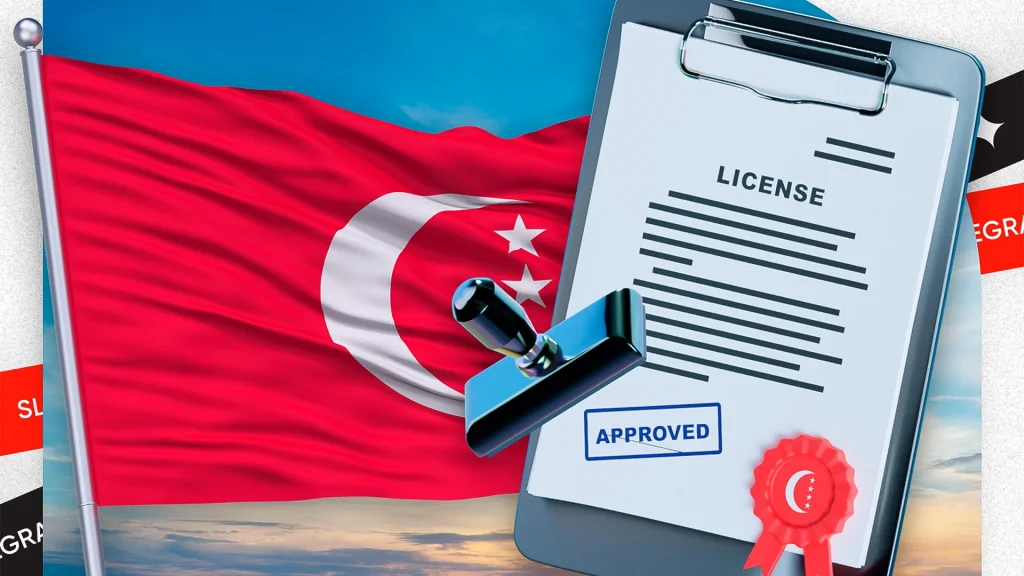
Warning that the entities behind them operate without recognition from the state, regulators warn that these documents carry no weight.
The AOFA or Anjouan Offshore Finance Authority is at the center of the controversy. The body was created in the 1990s when the island quickly separated politically from the Union. The group still maintains an online registry listing banks, insurers, and gambling operators as if they hold official licenses. National banking laws passed in 2013 and 2015, however, stripped AOFA of its powers.
Numerous firms operate within this network. Anjouan Licensing Services, launched in 2023, claims to issue gambling permits through the so-called Anjouan Gaming Control Board, while Anjouan Corporate Services acts as the agent of AOFA. Priced at around €17,000 per year, the Anjouan Gaming Control Board says it has issued more than 1,300 licenses. Fast Offshore is a consultancy based in Costa Rica. It has also promoted Anjouan as a cheap and easy option for operators looking for approval.
The group markets the licenses online, promising fast approval and no taxes. Applicants pay fees and submit forms digitally, receiving documents that appear official, yet rely on outdated laws from 2005. Letting gambling sites to present themselves as regulated when they are not, the process avoids proper checks.
The Comoros Central bank has continuously stressed that AOFA and its affiliates have no physical or legal existence in the country. Officials have warned consumers that they face serious risks. These include loss of funds, as well as lack of protection in disputes.
The impact has spread beyond Comoros. In December 2025, the Australian Broadcasting Company released a report detailing the rise of fake licenses, as well as operators in the iGaming industry connected to Anjouan.