Turkey’s gambling crackdown has intensified in recent months. It reached a crescendo when Recep Erdoğan described online betting as potentially more damaging than terrorism.
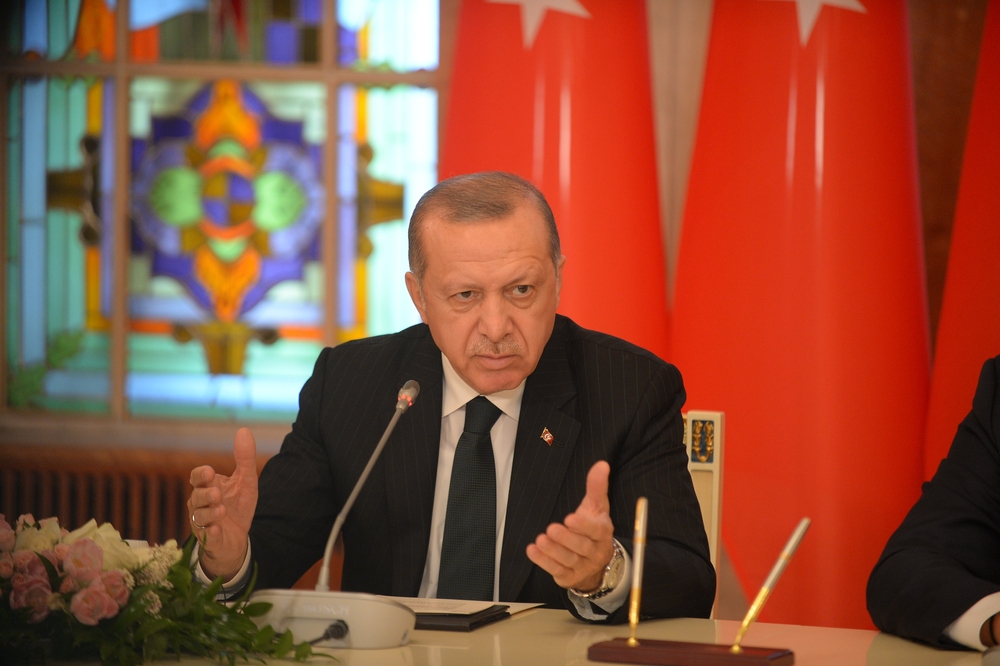
The Turkish President pitched the station as a protector of national values. He also described it as a remedy to cultural decay while speaking at a public event to launch the television channel TRT Genç.
Erdoğan said the decay stems from rising forms of addiction. He linked this trend to the widespread use of digital platforms and social media across Turkish society.
He added, paying specific attention to gambling, that their family institution is in danger. Almost every phone has become a casino.
Erdoğan also highlighted drug use. He urged all segments of society, including the news media, to take responsibility in the fight against addiction.
The President suggested that online gambling causes more harm than terrorism. It marked his clearest public signal yet of a strong anti-gambling stance.
He said that drugs, alcohol, cigarettes, gambling, and online betting have reached levels of harm to their national fabric that are as, or even more, damaging than terrorism. This is the bitter truth that those who try to legitimize gambling from group platforms.
Turkey’s stance against gambling is rooted in its legal framework. In 1996, the government officially restricted all forms of gambling, including land-based casinos. The sole exception was the state-sanctioned platform Milli Piyango, which oversees lotteries and sports betting.
Unlicensed online gambling has thrived while the restriction targeted physical gambling establishments. Under Erdoğan’s rule, the government has intensified efforts to crack down on illegal betting. It has deployed advanced cybercrime units to monitor and shut down such operations.
Erdoğan has pledge more previously to eliminate illegal gambling by whatever means necessary ahead of the next general election of Turkey. This strategy will extend to the facilitators of online gambling. These include digital wallet and payment merchants.