As illegal gambling networks spread faster than national rules can keep up, a shared concern has pushed the regulators of Europe to work together.
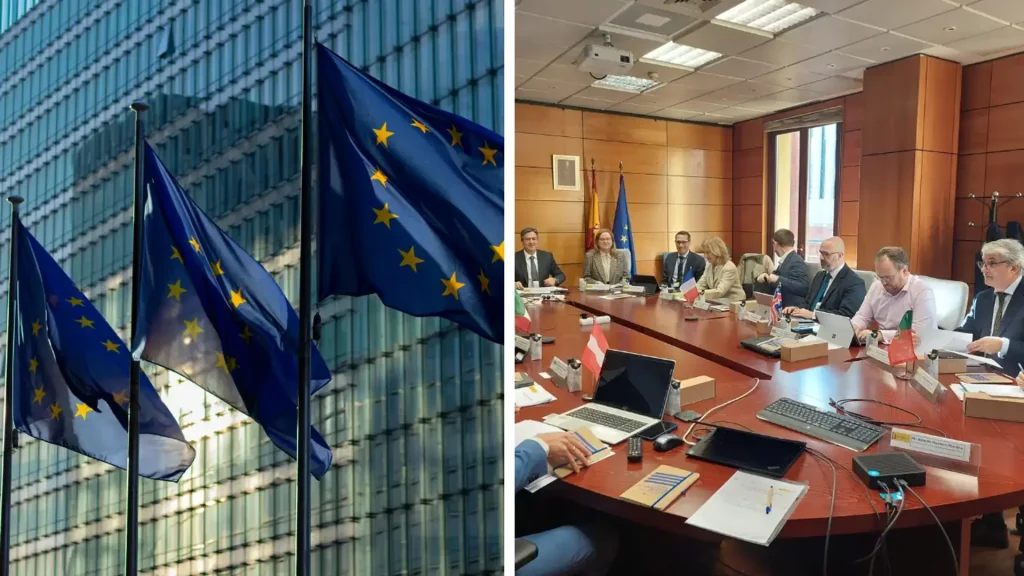
A new deal between gambling authorities in Germany, Austria, France, Great Britain, Italy, Portugal, as well as Spain marks a turning point for how Europe responds to offshore operators. Officials confirmed the agreement during a meeting at the Directorate General for Gambling Regulation of Spain on November 12. It reflects a growing urgency across the continent.
Illegal gambling platforms move quickly, cross borders easily, as well as reach users by channels that look legitimate at first glance. Regulators state that this creates a dangerous gap, leaving consumers—especially younger audiences—increasingly exposed to risks without any protection.
Regulators have recognized that no single country can tackle illegal gambling on its own.
Affiliate networks and video platforms pushing unlicensed content with social media adverts, national regulators are struggling to keep pace. Officials from all seven countries agreed that coordinated action is now essential, not optional.
The new framework establishes three core commitments. First, exchanging information and data on illegal operators. Second, coordinating complaints to social platforms to restrict unlawful advertising. Third, sharing best practices to improve detection, investigation and enforcement.
As gathered in Madrid to discuss its future approach to gambling oversight, the announcement came.
The 1st International Gaming Congress brought regulators from Italy, Germany, the United Kingdom, as well as Spain together to examine how the market is shifting. Each presented the challenges they face with fast innovation, cross-border betting and rising concerns about young people being targeted online.
The message was the same even if the national systems differ. Illegal gambling is becoming more coordinated. Regulation should follow the same path.
Other initiatives across the continent show momentum toward unified safeguards.