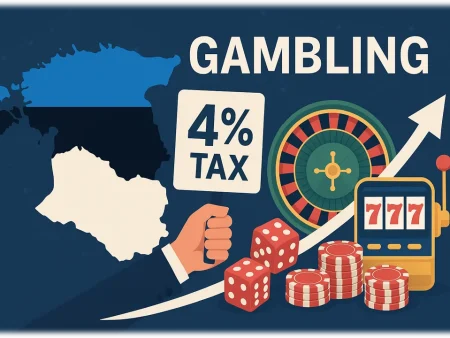
The Finnish Government has submitted bill HE 16/2025 to Parliament to abolish the state monopoly on online casino and betting. Licensing for operators would open in early 2026 under the proposal. The market will launch on January 1, 2027, followed by the entry of technical providers later that year.

The reform ends decades of exclusivity held by Veikkaus, a state operator.
The bill proposes creating a full licensing system for online casino, sports betting, and other interactive gambling products. Lotteries, scratchcards, and land-based slot machines will remain under the exclusive rights of Veikkaus. Operators offering digital gambling will need a license. The government will establish a new Gambling Supervisory Authority. This authority will issue licenses, oversee compliance, enforce sanctions, implement blocking measures, and promote safer gambling.
The proposal sets mandatory identity verification and self-exclusion tools. It also requires deposit and loss limits, along with obligations to detect risky behavior and intervene. Authorities will allow marketing but heavily restrict it. Advertising must remain moderate, cannot target minors or vulnerable groups, and all bonuses and promotional campaigns will require approval.
In early 2025, Director General for Ownership Steering at the Office of the Prime Minister, Maija Strandberg, signaled that Finland could consider floating state-owned operator Veikkaus on the stock exchange after the market opens. Strandberg stressed Veikkaus is not yet ready. Authorities could consider legislative changes allowing an IPO after 2027.
The government argues the monopoly has failed to control offshore play. It estimates that more than half of online casino gambling now takes place on unlicensed websites. The reform aims to channel more activity into supervised offerings, enhance consumer protection, and return tax revenue to Finland. License holders would pay yearly regulatory fees and comply with a new gambling tax regime aligned with EU models.
The authority will also have the power to block payments and restrict IP access for illegal operators. The government plans to open license applications in early 2026, with provider licenses starting in 2027. It aims to have the new competitive market operating from January 1, 2027.