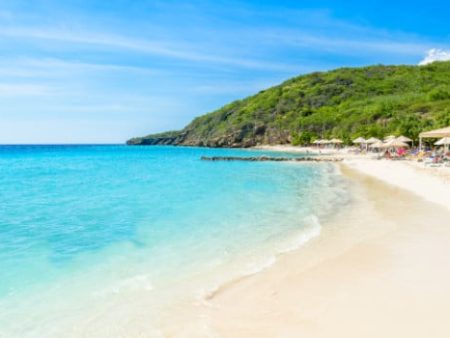
In Kazakhstan, the government has confirmed Mangystau and Almaty as regions for the development of new casino zones. The initiative aims to boost tourism and local economic growth. The Committee for the Regulation of Gambling and Lotteries, under the Ministry of Tourism and Sports, announced the primary locations for foreign-only casinos. These are the Tepliy Plyazh area in Mangystau and the Akbulak international tourist centre in Almaty. Officials chose these areas for their existing infrastructure and strong tourism potential, creating an ideal environment for new gambling projects.
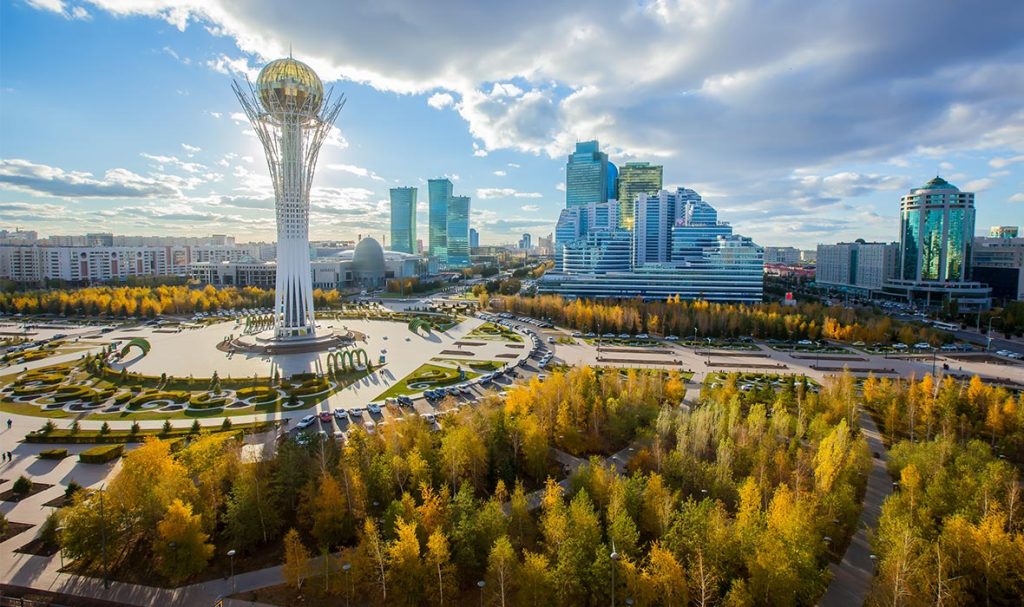
Officials stated that private investors will carry out the developments. Local authorities will define the precise boundaries of each gambling zone. The announcement follows legislative changes approved earlier in January. These changes allow the establishment of additional casino zones in Mangystau, Almaty, East Kazakhstan, and Zhetysu. These new zones will complement Kazakhstan’s existing casino destinations in Borovoye and Kapchangay, expanding the country’s regulated gaming sector.
Socio-economic assessments by the Ministry of Tourism and Sports suggest that public sentiment in Almaty and Zhetysu is generally supportive of the initiative. Government projections indicate that casino projects in Almaty alone could generate around US$12.7 million in tax revenue by 2028. These projects could also create up to 2,000 permanent jobs. Authorities further estimate that each new casino in the designated regions could generate between KZT 2 billion and KZT 3 billion annually. This is equivalent to approximately US$3.9 million to US$5.8 million in tax revenue per year.
Beyond direct taxation, the new casino zones are expected to boost growth in related sectors such as hospitality, transport, and other service industries. This will provide a broader economic uplift to the regions. By focusing on well-established tourist areas and using private investment, Kazakhstan aims to enhance its entertainment and tourism offerings. The goal is to create sustainable economic benefits for local communities. These developments represent a significant step in the country’s strategy to expand and regulate its gaming industry. They are also expected to attract both domestic and international visitors.