Recently, the Premier League 27th round ended with a 1-0 victory for Manchester United over Everton F.C. at Goodison Park. Everton may face a more significant financial impact starting next season. Meanwhile, Manchester United still faces several sporting performance questions.
The league will replace the current PSR or Profit and Sustainability Rules with the SCR or Squad Cost Ratio. Increasing off-field commercial revenue will directly influence sporting competitiveness in this scenario.
The PSR limited accumulated losses over three years to £105 million. Meanwhile, the SCR stipulated that clubs could allocate a maximum of 85% of their revenue to squad costs, primarily salaries and transfers.
The model follows a logic similar to Financial Fair Play of Union of European Football Associations or UEFA, which imposes a 70% cap on continental competitions.
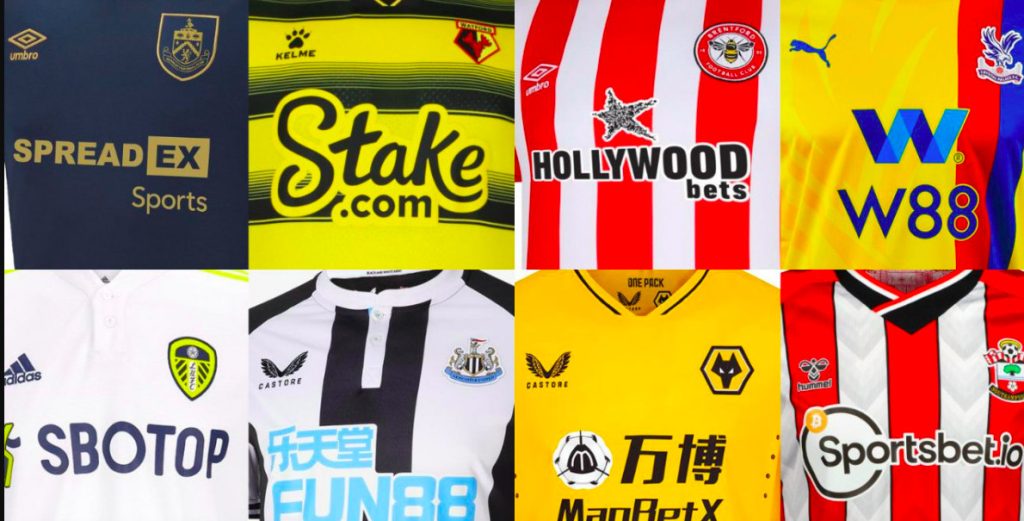
The Premier League will restrict betting advertising on the front of shirts in addition to the new metric. From 2026/27, the measure will affect 11 of the 20 clubs.
Karren Brady, vice-chairman of West Ham United F.C., stated that this could reduce their total commercial revenue by around 20%.
Given this situation, clubs are looking for commercial alternatives. These include support from specialized agencies which is a common practice in the United States, yet, still limited in England.
Half of the 44 major English clubs, Premier League and Championship, are majority-owned investors from the United States. For that reason, the search for business models applied to that market is growing.
Industry data indicates that American brands account for 61% of global investment in sports sponsorship. Nonetheles, only one in six collaborations in European football involes US companies.
This movement is being led by Playfly Sports. The Premier League and around half of the first division clubs have already collaborated with agencies. The rate was around 10% in 2023.