US forces detained Venezuelan President Nicolás Maduro and transported him from Caracas to face prosecution in New York. This dramatic move brought the impact on Venezuela’s iGaming market into focus immediately after January 7. The operation followed months of escalating American pressure. That pressure included an increased naval presence, targeted strikes, and expanded sanctions throughout 2025.
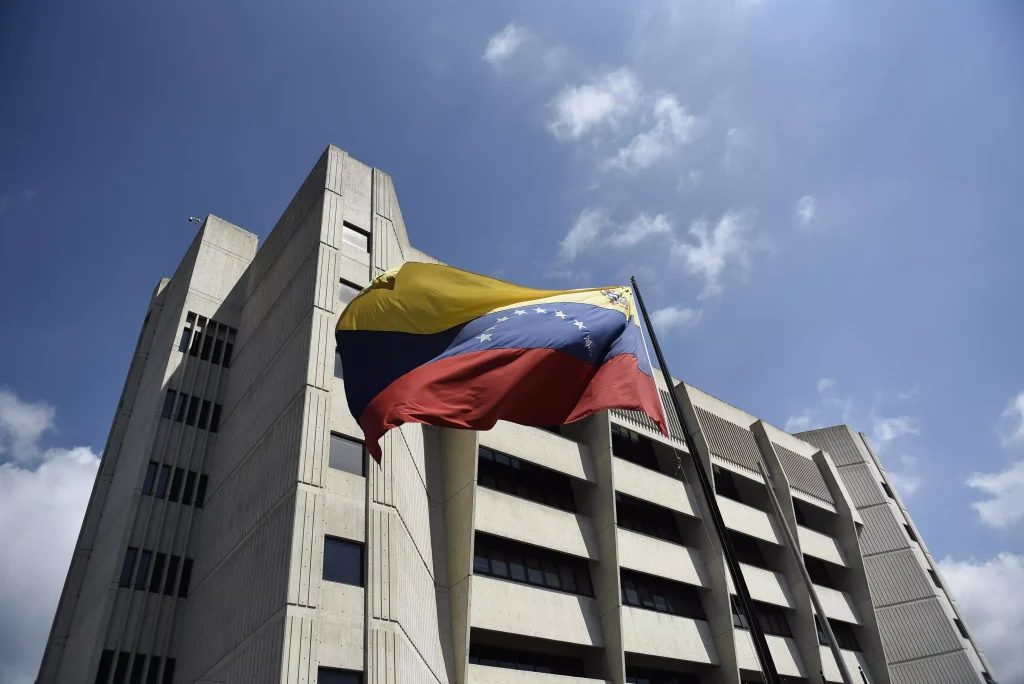
The moment raised a straightforward yet critical question for Venezuela’s iGaming sector. Would demand collapse under the geopolitical shock? Or would it adapt and persist?
Demand indicators remained notably stable in the days surrounding the intervention. Market intelligence tracked by Blask shows that daily demand from January 1 through January 4 stayed within a tight range. It remained in the high-200k zone. Activity dipped roughly five percent, bottoming almost 257K, before rebounding the following day on the day of the operation itself.
The movement is significant less for its size than for its context.
A five percent single-day drop usually signals little more than normal fluctuation in volatile emerging markets. What typically indicates deeper trouble is persistence: extended declines, platform instability, or sharp behavioral shifts. None of those appeared. Instead, demand normalized immediately, suggesting users did not disengage or materially change behavior in response to the political disruption.
The Venezuela iGaming impact looked more like a stress test than a breaking point from a demand perspective.
It helps to look at how the market has been evolving, not just in days, but over the previous year to understand why the Venezuela iGaming impact diverged from expectations.
In 2025, Venezuela was one of the fastest-growing iGaming demand markets worldwide. Placing the country second globally in demand acceleration, the index of Blask shows year-on-year growth approaching 135%. That kind of expansion changes market behavior. Users who engage frequently and consistently are less likely to abandon platforms during short-term uncertainty.
Equally important is how that growth consolidated.